2/5/13

I got a gun


I got a gun

actually I got two guns
they been in the sock drawer for years unused
but sometimes I think
what if I have to shoot someone
what if the assault weapon people
the NRA and that lot
decide to attack peaceful people 
who want guns out of society
would i violate my own peace and shoot back
would i violate a natural instinct to defend those i love

why should I even have a gun
a little 22 lugar six shooter was my dads
and a handsome gun at that
nice to hold
nice to look at and admire
for its smooth lines and simple design

but guns are only the smaller suggestion of deeper stuff
of fear and greed buried deep in the human mind
of paranoid fantasies of being gotten
of being attacked and dominated
so what to do but attack and dominate
a gun in hand gives power
the false kind that the weak must use

gun makers cash in on paranoia
they sell guns by breathing life 
into simple fear
stoking the fires of the NRA
working for the masters: greed, fear anger

richard nichols
Jan 2013

9/26/12


                 we are trapped
what would it be like

the fog rolling in from the coast
fluffy clouds on a warm day
a parade of bikes
clusters of walkers
air brisk in the chill of morning

but we are trapped
like mastroianni 
clawing at the windows
suffocating
desperate to escape
the little fiat car
crashing finally
into a brick wall of reality

we are trapped
by custom
by habit
by images
by freedom
never to escape til our dying day
our hands wrapped around 
the steering wheel of convenience
the cold hard wheel
we will never give up 
until it is pried 
from our cold, dead hands

8/21/12


i am not scared

my old friend michael
goes way back
good times
in our foolish and fun youth
we even had the same girlfriend
at different times
pamela the lovely artist

we went to canada in my old ford
thinking to duck the draft
but canada didn't want us
anymore than we wanted 
vietnam

we smoked a lot of weak pot
drank a lot of cheap wine
read a lot of watts
and explored the cosmos 
in our own careless way

michael the poet
50 years later
laying on his death bed
disappearing before our eyes
his wife distraught
i held his frail hand
he said "thank you richard"
in a voice already from another place
only a few words left
from his poets heart

"sorry to see you go michael"
and i asked him
"michael michael what is it like?"
far off, the voice said
one last thing to me
"i'm not scared"

before leaving him for the last time
i helped him walk his frail body
back to his bed
there he raised his thin arm 
pointing to the sky
pointing maybe to the mystery
that he could sense
but that we cannot know.

8/20/12


hoarding the easy life

warning: rome is buzzing
full of traffic and pickpockets
pickpockets licking their lips
traffic mosquitos on the move

tourist flock just like the pigeons 
in the piazza
clustered tours 
like bunches of juicy grapes
in the crush
wanting to find every scrap 
of ancient history
a slurry of roman memories mixed into a 
renaissance sauce

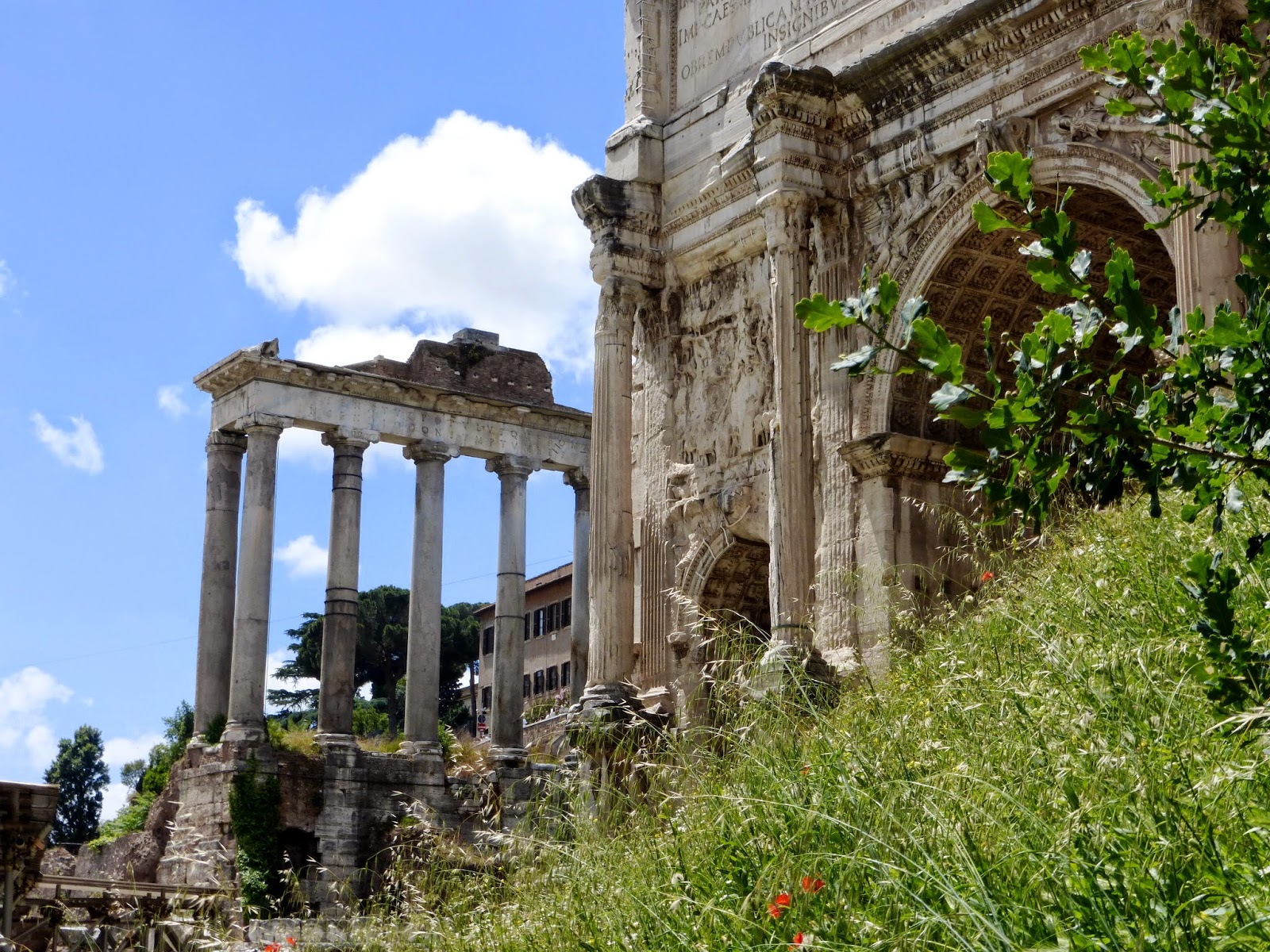
caesar walked right there 
in the forum 
and died right there
constantine won the war
replace the roman gods                                                         
with the christian god
with the swipe of a sword
and the blood of warriors
then built a monumental arch
a triumphant finger to 
those old gods

how could a thousand year empire
reduce to rock and cement
remains jagged caved in
like a modern dump
scattered hidden 
under twenty feet of modern rome

i suppose human folly is the simple answer
ego and the pathology of control
the pathology of accumulation
hoarding the easy life

i suppose its us


6/11/12


Montebello and the First Baptist Church                 Richard Nichols July 19, 2011
revised April 2012
In 1940s Montebello's small town feel remained even as the region exploded in development and freeways after the war. Downtown LA was only 10 miles away. On the main business street full of little shops such as a shoe repair, five and dime, and clothing stores, Jack the barber cut my hair on Saturday, and I saw him at church the next day. The fire chief lived down the block and I played ball with his son on the church team. The compact town made it easy to walk to the movie house, the park, the drugstore fountain and the church. I walked to school and had a 5 cent soda after school at the drugstore. Hundreds of kids spent many summer days at the municipal plunge to escape the intense heat.  In the evenings the kids played hide and seek and capture the flag across the front yards of the old frame houses along 7th Street. I sold Haas avocados from our tree in the backyard  at 5 or 10 cents apiece  to the neighbors. One summer made $7. At one house a scantily clad young women answered the door, and of course, being a boy, I was intrigued. She bought an avocado, but I was more interested in what was almost revealed. When I was around 10, I pitched for the church youth softball team and could get strikeouts and infield grounders, but unfortunately the fielders couldn't hold on to a ball if you handed to them, so we lost most of the games. At one game, a parent from the other team harassed me to such an extent that I broke into tears after the game. Since then I've been very intolerant of bullying adults.
In the 1940s and 50's My parents attended Montebello Baptist Church. With over 1000 members, it was one of the largest Baptist Churches in Southern California. The big stucco building seated at least 800 people. The older cavernous church next door became a gym, meeting and banquet hall. I spent many squirmy Sunday mornings at service being bored by the carry on. Paster Rood was a charismatic, and handsome man, with a booming voice and charming presence. But sermons, scriptures, and singing did not hold the attention of a little kid. Boring! Everyone loved him, but he finally left and the church leaving a void that was never filled. He was so loved by the congregation that the new pastor could not fill his shoes.
My father served as deacon and usher, and my mother a deaconess. All of our family friends were members of the church. My first look at a TV was at the home of our close friends, the Shelley's. On several occasions Mr. and Mrs Owl, a very old and kind couple, took my father and I camping and fishing at beautiful Lake Henshaw.
My parents regularly volunteered at functions. My mother cooked, with other ladies, for the big annual Mens Banquet. One year, when I was about 6, my mother took me to the church and left me to find something to do while the ladies fried dozens of chickens. The smell of the cooking invaded my senses, wafting out the windows into the patio where I played, the concentrated smell of frying chicken skin overwhelming. I could not stand the smell of frying chicken for many years after that. My father took me to the banquet, and I thought I'd gag from the smell of the served up chicken. Even today, I avoid fried chicken.
Every year in the summer the potluck social convened at tree-filled Penn Park in Whittier. Several hundred dishes laid out on long tables tempted us to overeat.  Casseroles, jello desserts, (the kind with the floating blobs of marshmallow), cakes and pies and cookies filled the tables. If one kind of potato salad or macaroni didn't seem attractive, you could pick from ten others. After stuffing ourselves, the park afforded plenty of room to run and play. The little stream falling over rocks, a favorite place, invited us to scramble among the boulders and splash in the cool water.
My father worked in the tire recapping business for many years, but tired of the hard work and sought other employment. The church was big enough to hire a full time janitor, and my father got the job in the early 50s. He could walk to work, and work in the quiet environment of a church. On Saturdays I helped him make preparations for Sunday services. My favorite job was to hose down the sidewalks and porches around the church, and I had the run of the place, wandering through the many rooms and hidden alcoves. However, this ideal situation was not to last.
One Saturday, when I was about 12, I overheard a conversation between the President of the Board of Deacons (the church governing body) and my father. This happened in the big wood paneled foyer, as I lurked around the corner and up the balcony stairs. The voices echoed clearly in the vaulted room. The gist of the conversation was that my father was not a good Christian, was doing a poor job as janitor, and the Deacons had voted to fire my father. By that time my parents had been members of the church for at least 15 years and many of the deacons were close friends. This had a devastating effect on my parents. My father, broken hearted to lose so many friends, my mother angry, felt betrayed by their friends. The President, new to the church, had somehow persuaded the Deacons to turn on my father. I never did find out exactly why, but the result was that we left town and found another church. Several of the Deacons came to the house to offer a measly severance pay, but my mother would not let them in, and we never saw any of them again.
Although I have fond memories from being a part of the church community, as I grew older I saw the hypocrisy of the Sunday Christians, more fake than real, more about appearances then about living a life of peace, love, and understanding. It took me many years to get over the incident, feeling that my parents had been greatly wronged. For years I felt like going back to Montebello and burning down the church building. Time heals, and forgiveness is better than hate, and although all those old friends are gone, I still wish them peace.

4/27/12


high on a mountain

We've been there
high up on the mountains
they come in different flavors

the Sierra Nevada like
solid amber and wine
from fermented rocks

Wialualua tastes like water
wet fronds licked for fun
to taste the marsh

that old island the Rubies
rising from dust and water
tastes like ancient pine
and loneliness

San Gabriel Mountains
tastes of a people
lost to progress
and fresh air
above the melee

coast ranges
taste of salt
and dew drops
from the redwoods

Ancient Marbles
rimmed and fluted
taste like wine on a hot day

mystical Himalayas
float above reason
and remembering

Mountains everywhere
unknowable mountains
float on seafloors
and space on another planet
how many mountains are there?
what are their flavors?
who has been there?


3/1/12


                jesus had a mission

                nobody walks on water
even jesus had a trick
walking on a plank
just below the surface
built by his carpenter buddies

jesus needed a following
how else to build a movement
that would conquer the west
quiet the pagans
and finally even
subdue the romans

2/14/12

I have a little show of my art at the Peace and Justice Center, 467 Sebastopol Ave. Santa Rosa. It is near Julliard Park. It is open from 1 to 4 weekdays and at other odd times for meetings. I hope you have a chance to drop in. Thanks, Richard

12/13/11


faithful waiter

we were in a rock garden
mossy and green
moist sparkles of a million 
dew drops on our wine glasses
waiting for dinner

the waiter finally came
greeting us
with laughter like a waterfall
then in a soft voice
took our order

we are not sure what we ordered
or what we would get
but he assured us it would harmonize
with soothing music
coming from the rocks and trees
bubbling up from the ground
reach beyond our expectations
and touch us deep in
unexplored territory

after a year
we were hungry
waiting all this time
for the promised  meal
not noticing really
the passing of time
the slow changes
mosses drying out
then moist
leaves covering us 
before the spring winds swept them away

the waiter stayed on
polishing tree trunks and leaves
speaking in a language
that sounded like growing plants

finally the meal arrived
the wait worth it all
waiting for the faithful waiter

11/8/11

 Europe/2011

A note: everywhere we visited has lots of information online, if you want more details.

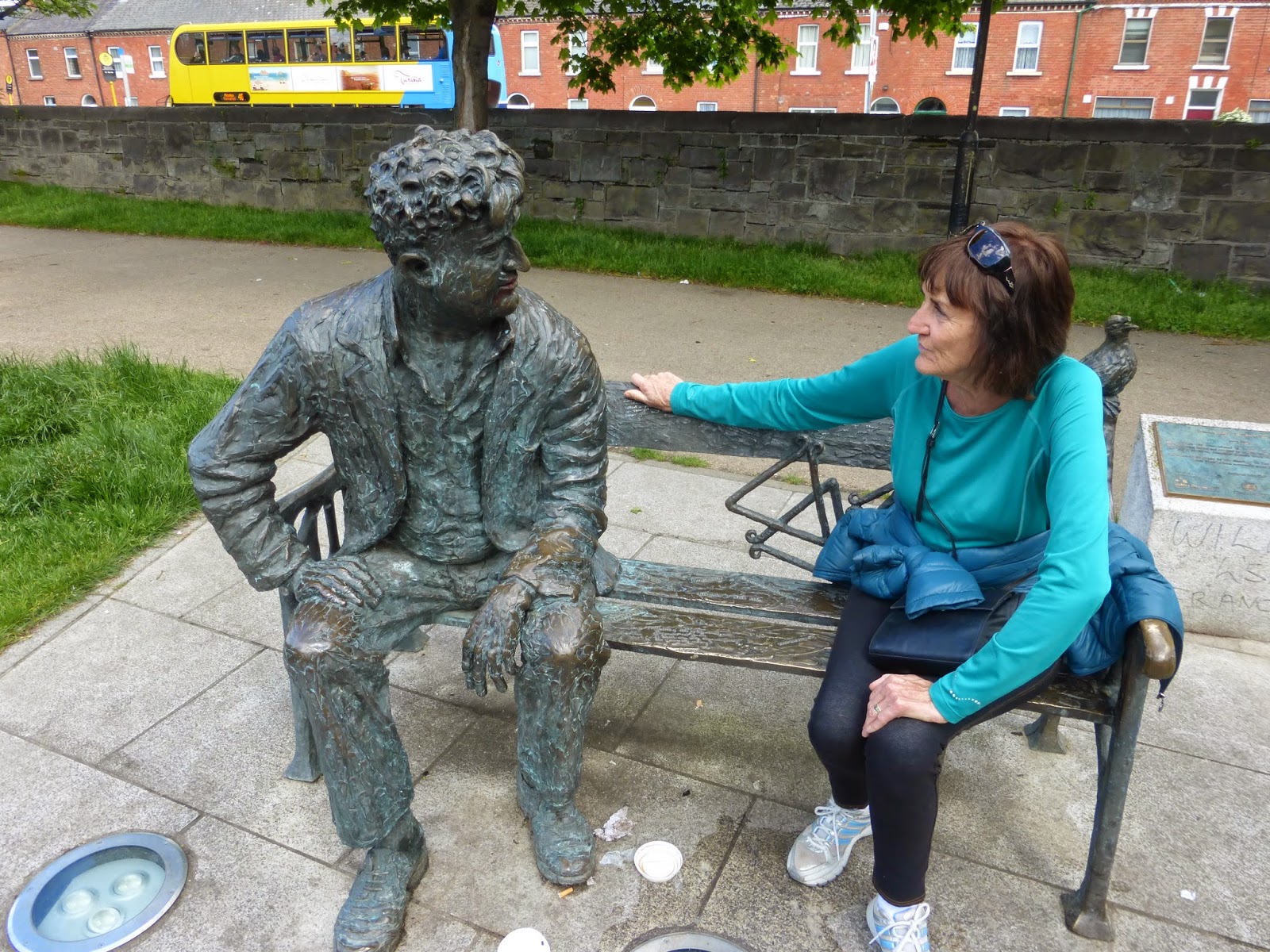
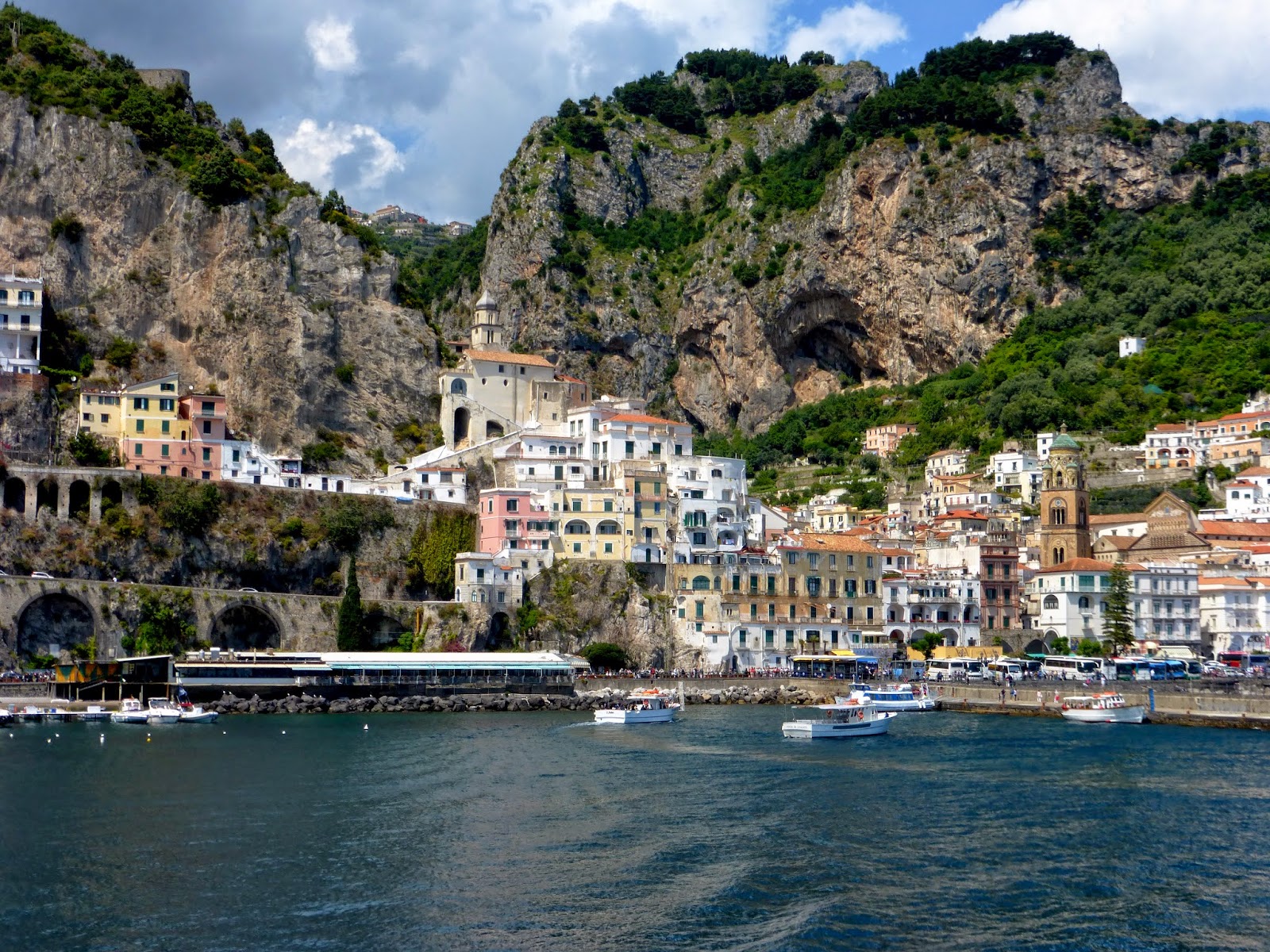
After years of putting off visiting mainland Europe, Brenda and I committed ourselves to a 7 1/2 week journey to explore Italy, Slovenia and Croatia, with a stopover at the beginning and end of the trip to visit Brenda's family in Dublin, Ireland. 
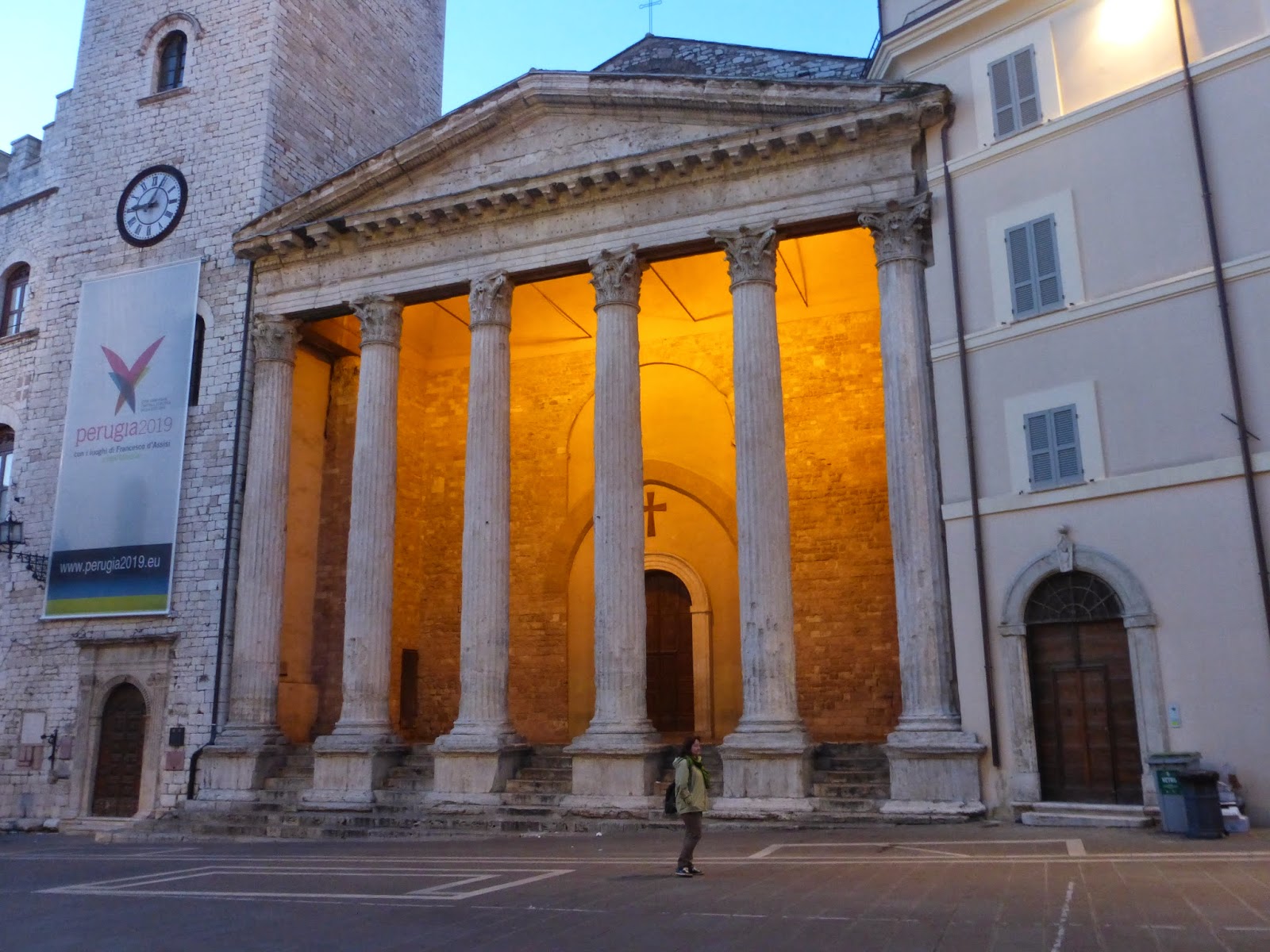
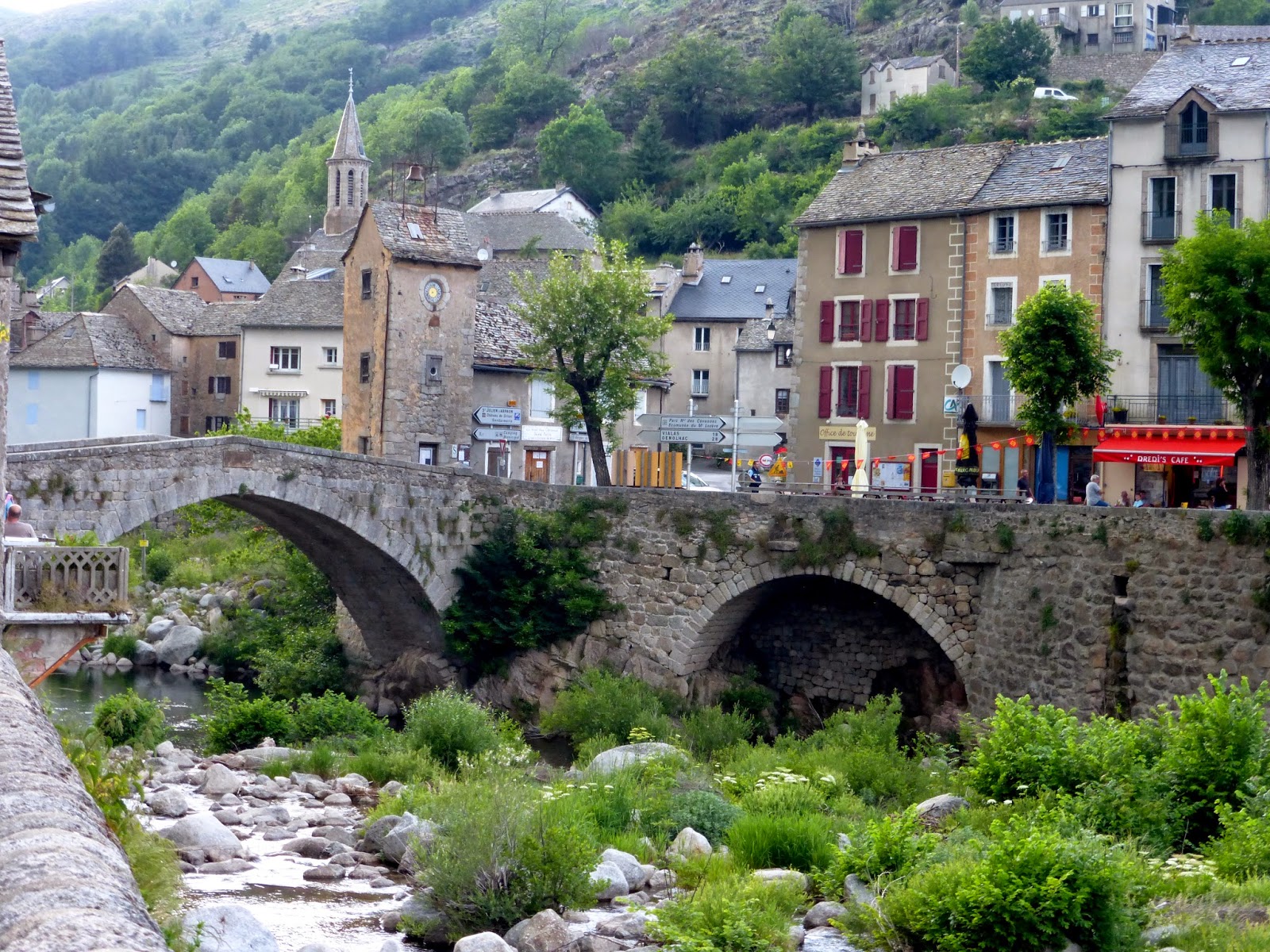
First is the story at the end of the trip, our last two days in Italy visiting Rome. After traveling for weeks we were getting tired. We'd been to Lake Como, Bolzano and the Dolomites, Venice, Florence, Lucca, Pisa, Cinqua Terra, back to Como, then to Trieste, Ljubljana (capitol city of Slovenia) , Pletvice National Park, Split, and Dubrovnik, all in Croatia. 
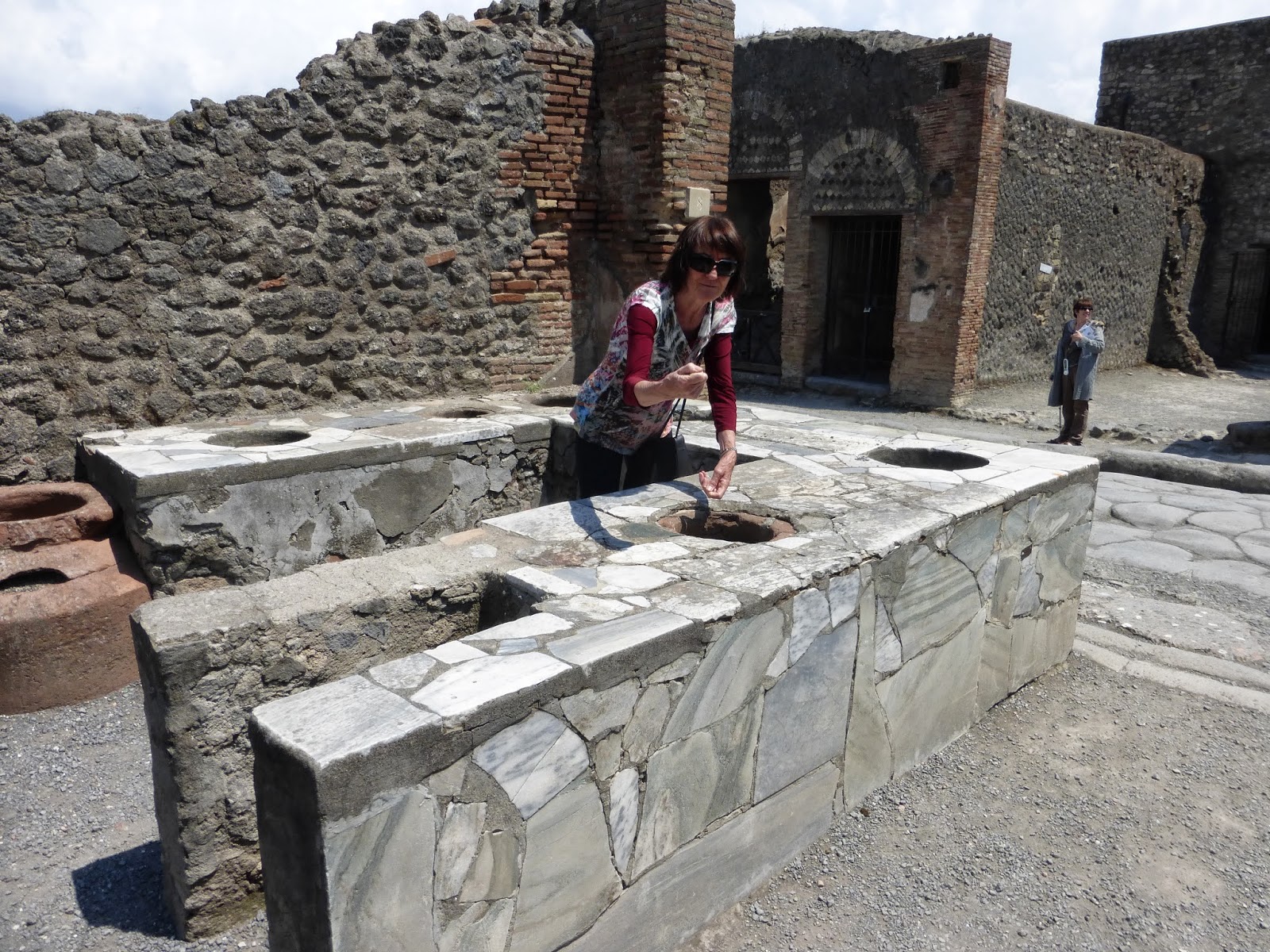
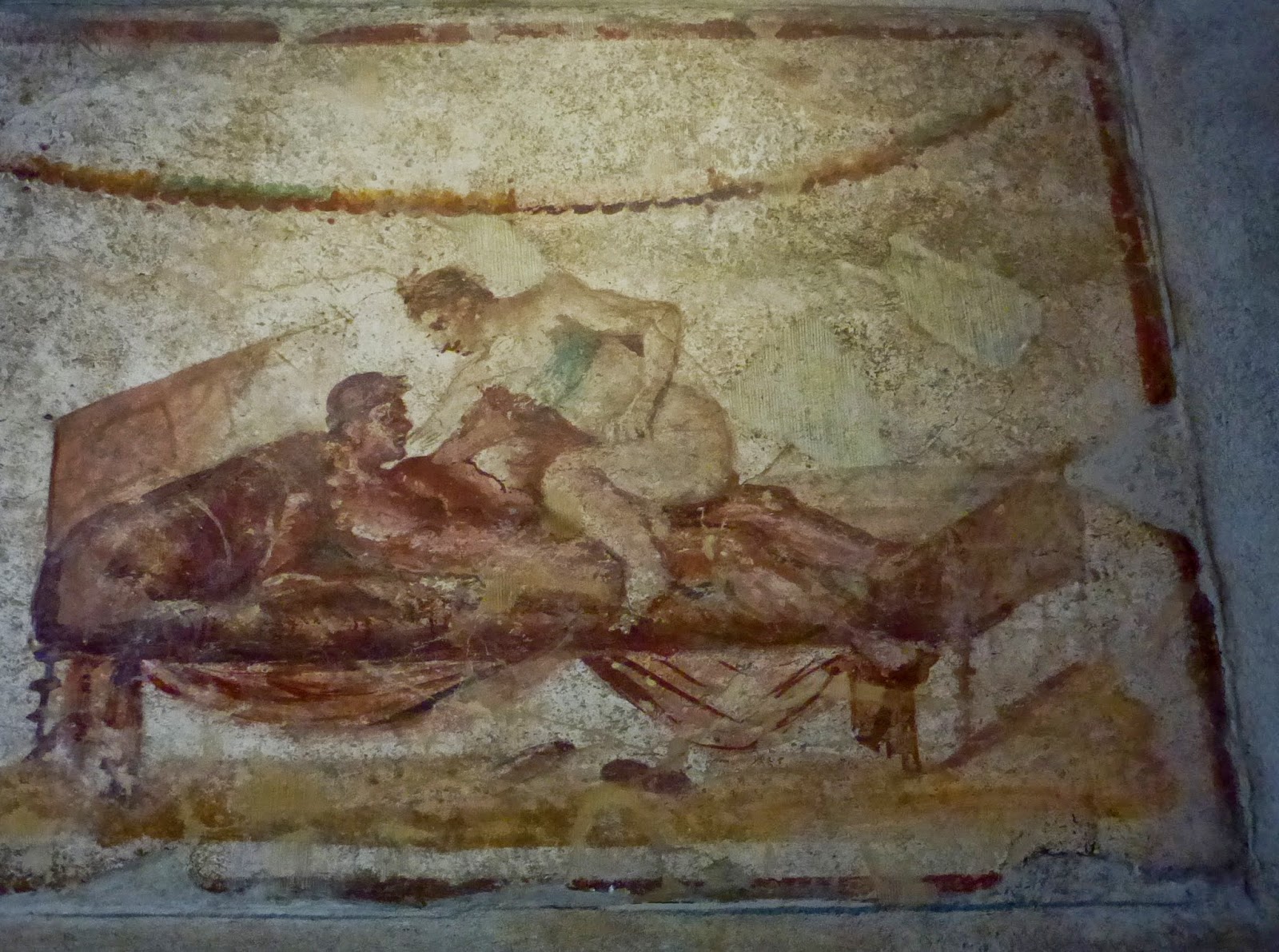
So we are now in Dubrovnik, very travel weary after over six weeks on the road. We'd thought to fly from Dubrovnik to Dublin, giving us a few extra days in Croatia to visit some other places, but the flight was sold out. The only alternative was to take the ferry for 7 hours to Italy, then take the midnight train for 6 hours to Rome. That is what we did, all the while lamenting that we were tired and would have little energy for Rome. We got a room early in the morning and slept for 3 hours, giving 1 1/2 days to explore. As soon as we hit the pavement that morning we realized that we were in legendary Rome, the place where much of western thought and politics originated. When we saw the colosseum, the Forum and Palatine Hill, we were completely taken by it all. This was ground zero for over 1000 years of the Roman Empire. 
The next day we were determined to get to the Vatican early to beat the crowds into Saint Peters Basilica. We are not Catholics, but still, the Vatican is ground zero for 1.1 billion. We wanted to see what all the fuss is about. When we entered the huge St. Peters Square fronting the cathedral, we were taken aback to see the place half full with perhaps 150,000 people already in the Square. We asked what was going on and was astounded to find out we had come upon a full blown mass to canonize, or give sainthood, to three deceased people, two Italians, and a nun from Spain. The person giving the mass was none other than the secular and religious leader of those 1.1 Catholics, Pope Benedict. Brenda was raised a Catholic, and neither of us have much good to say about the church, but we found the mass and the 300,000+ people attending to be quite moving in all its grand ceremony. People came to cheer for their favorite saint, wearing hats, waving flags, AND we got seats! When the mass commenced, with a brass band, several choirs, and several hundred bishops and others on the stage, the square became completely silent. 
We managed to get into the line for the Basilica with not much of a wait. This Renaissance and Baroque monster is astounding. It covers six acres, and has the tallest dome in the world at 448 feet, and can hold 60,000 standing people. Inside the ornate decoration and art overwhelm, and holds one of the great sculptures ever, Michaelangelo's Pieta.
We visited a small church where the bones of 4000 friars are lines up and on display in six crypts, all the bones laid out in decorative arrangements.
There is something about Rome. It is crowded and fast, but it is special. Can't really describe it, but we want to go back.


The Cities

The cities feature the "old town" where a multitude of tourist flock. The old towns are surrounded by modern, unattractive sprawl on a massive scale. Venice is the exception, an island slowly sinking into the marsh upon which it was built.  Everyone knows about Venice, the canals and the twisting narrow streets, and St Mark's Square and Cathedral. We found Venice a delightful place to get lost in, just meandering the streets, crossing over canals, and being surprised by a new view at every turn. We visited St Marks, and the Doge's (the governor of Venice) palace. Not to downplay Pisa, but more than one Venice clock tower is leaning. One day we wandered and found three interesting modern art shows. One show featured marble sculptures by a French artist named Fabre. The centerpiece of this fantastic show was a modern Pieta fashioned after the Michealangelo. (see the slide show). 
Venice is crammed with tourists. In one out of the way bar, the server told us that 7 cruise ships a day discharge 40,000 people into the town. But just by walking a bit, we lost the crowds.
Florence features the huge Duomo cathedral and art by the greats of Renaissance art, including Michealangelo David, and the Boticelli painting, The Birth of Venus. We managed to get into both the Academia, full of sculpture including the David, and the Uffize, full of master works by Renaissance artists. (the Venus). As is usual for us, we walked all over old Florence, and had a room just a five minute walk from the Duomo.
We spent half a day in Milan. The immense Cathedral, the 4th largest in Europe, was built to impress. Its like a Gothic wedding cake, numerous spires with statues on top, 2000 statues inside, and 52 mammoth marble pillars holding the whole affair up.
Ljubljana, the capitol city of Slovenia, is the smallest capitol city in Europe of a brand new nation, only forming in 1990 after breaking away from Yugoslavia with only a few minor military skirmishes. The old city along the river is a wonderful place to people watch over a coffee or wine,  a vibrant city full of young people. We took a day trip to Lake Bled from here (see the Nature section)
Split, on the Croatian coast, boasts an old town built right into the mammoth Diocletian's Palace (190 by 160 meters), built in the forth Century as a retirement home for the last Pagan Roman Emperor.
Dubrovnik, also on the coast, is a wonderful walled city full of narrow lanes and Medieval buildings, no cars and full of atmosphere (and tourists).
The massive mile long wall is a wonderful place to walk and see the city and coastline. As Croatia broke from Dubrovnik, the Yugoslavs shelled the city for 8 months, but the city resisted, and finally Croatia became a nation. All the buildings have been repaired and the city is thriving. 

Nature

We enjoyed mixing city explorations with visits to more natural areas. We were invited to stay at the old Castelli villa by our friends the Laura and Emilio of Sebastopol. The place has been in the Castelli family for generations and the two villas on the property, right on Lake Como, were built in the early 1800.
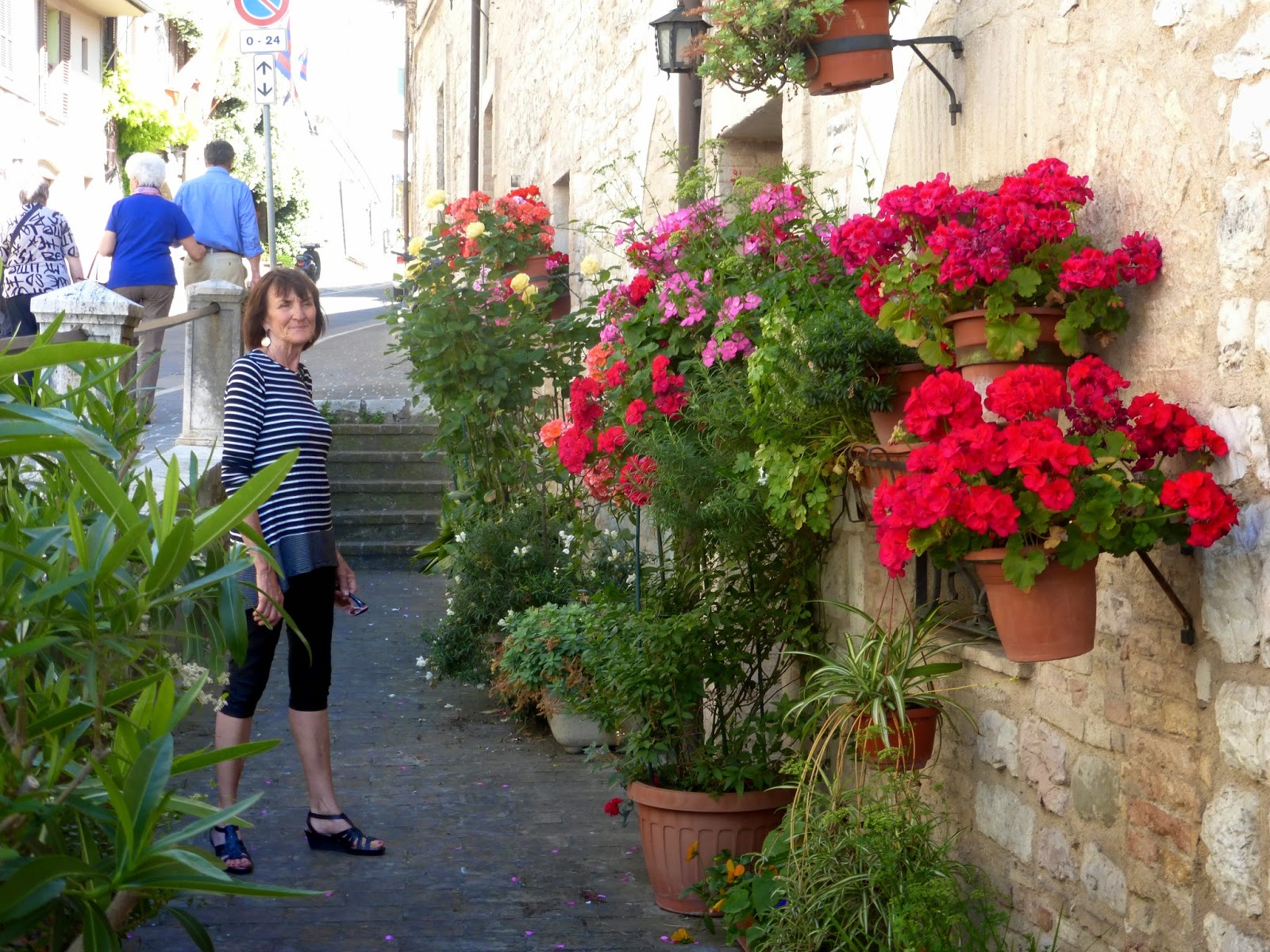
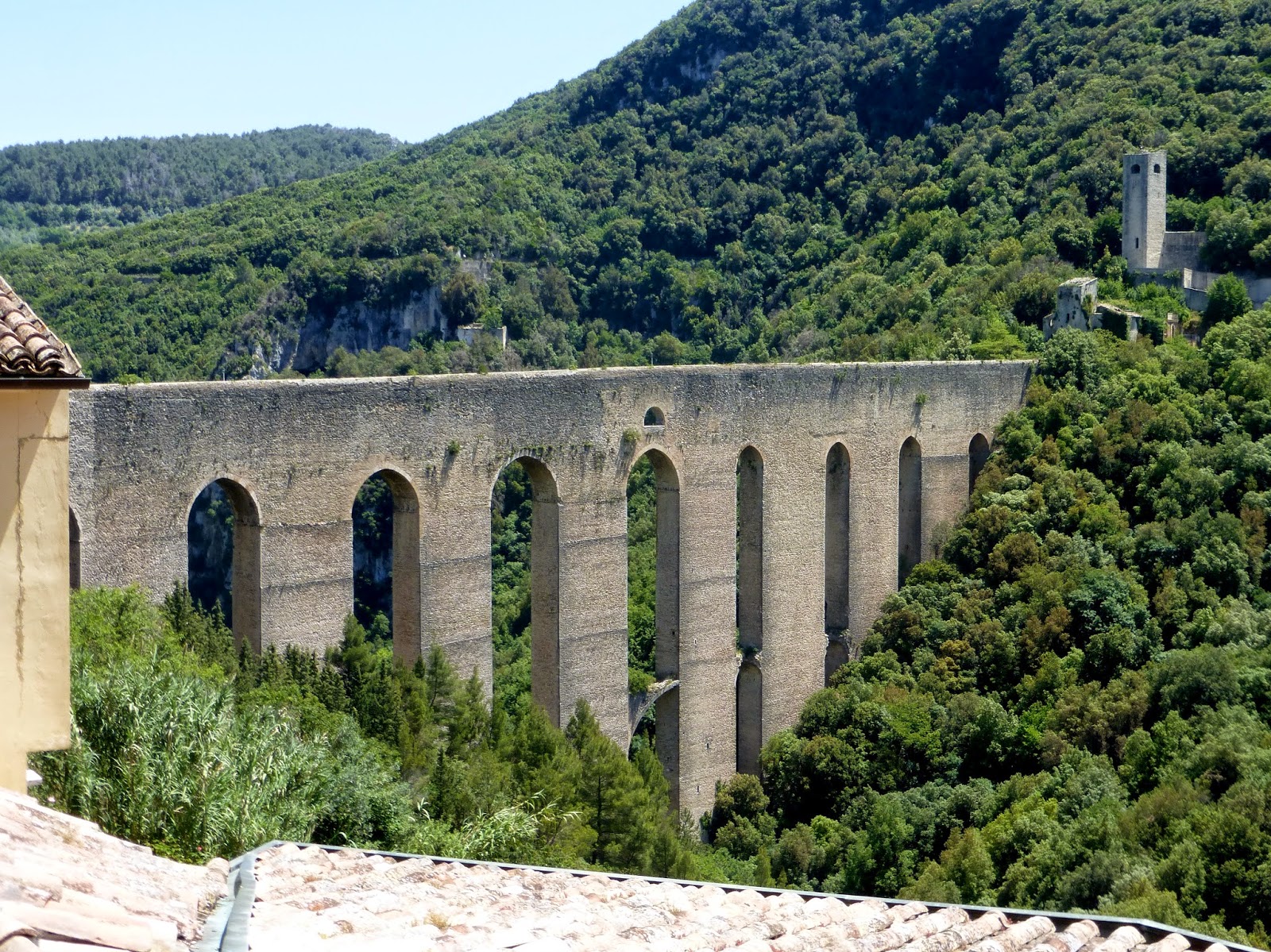
Lake Como is surrounded by villages and towns. Our little village, Bellano, is off the tourist map, but nearby the famous Bellagio sits on a point. Lake Como is a glacial lake, formed by glaciers flowing out of the Alps, and it is surrounded by ridges and mountains. The ridges all around the lake are terraced for farming, grapes and olive mostly, cultivated for centuries, but most of the terraces are now overgrown and the many stone farmhouses are abandoned. The region is laced with ancient stone pathways connecting villages and farmsteads. The park above Bellano boasts 7000 kilometers of stone walls and many miles of stone paths. We were overjoyed to be able to walk these paths. Many of them have small Catholic shrines along the trail.
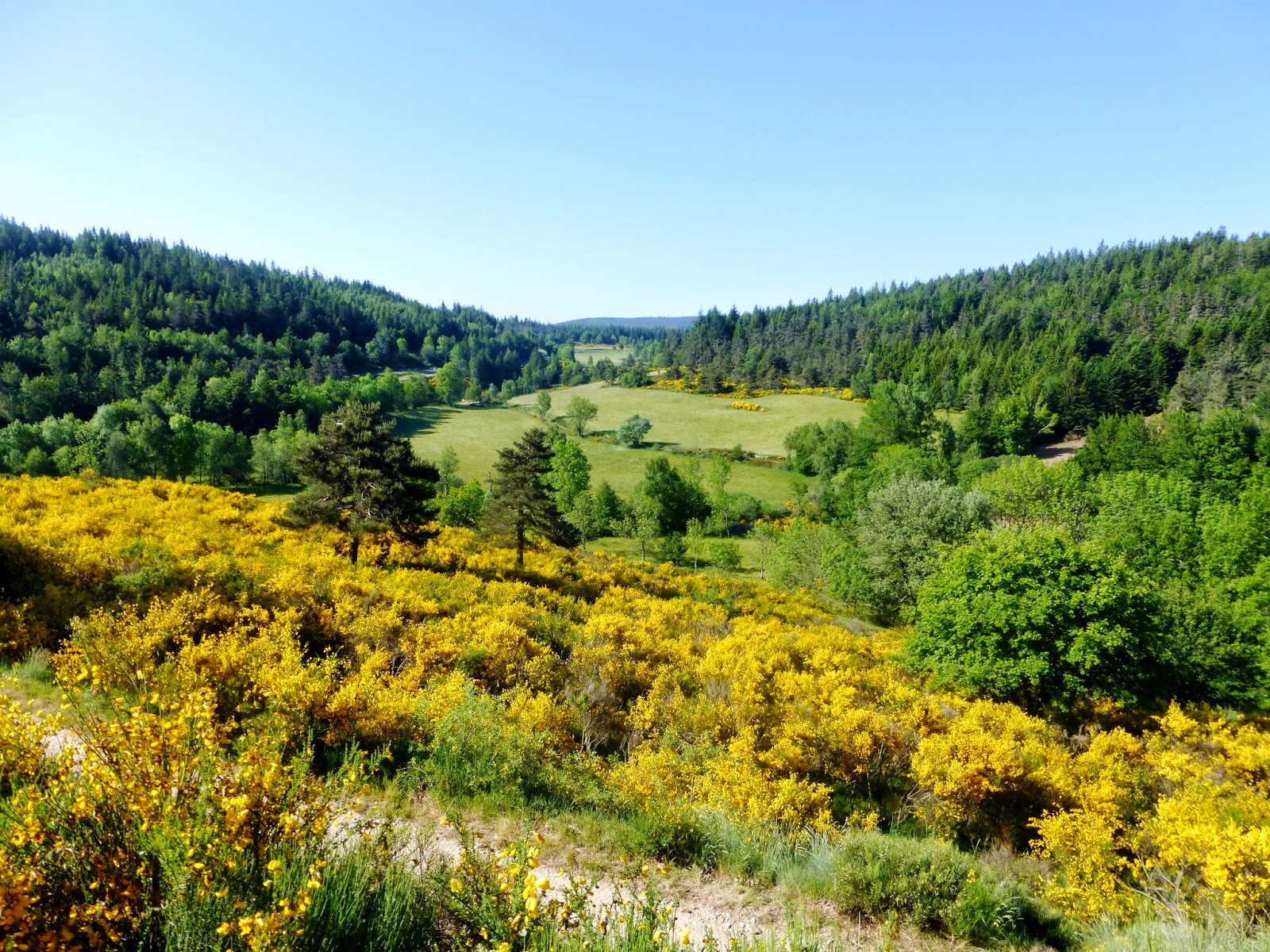
We walk in a wonderful region called the Alpe di Siuse, the largest alpine meadow region in Europe, in the Dolomite Mountains. We stayed in the small city of Bolzano, which has a strong German influence, because it was part of the Austrian empire until WW 1, when Austria had to cede the region to Italy. We took a tram high into the Dolomites only to be greeted by 6 inches of fresh snow, but the locals were on it, clearing the trails with a plow so the hikers could hike. After a great lunch at a hut along the trail, we made our way back to the tram and returned to Bolzano.
Cinqua Terra is a special place. The national park comprises 5 small villages along a stunning 7 miles of coastline. The villages are car free but connected by trains tunneled through the mountainside. Old trails, much like those at Lake Como, connect the villages and trails wind up the ridges past small villages and farmsteads. Many of the terraces are still cultivated in the stony dry soil for wine grapes. It was a joy to walk these old paths with stunning vistas of a wild coastline. Every evening in Vernazza, the custom is to take a bottle of wine to the harbor (2 minute walk from our room) and watch the sunset, accompanied by applause as the sun sank below the Mediterranean.
It took a long bus ride to get to Pletvice (PLEET-veet-seh) National Park in Croatia, and it was worth the ride. The main feature is a series of 16 lakes connected by many waterfalls. The lakes and waterfalls have been formed over the last 10,000 years by flowing through travertine deposits and building dikes and ledges. Our 12 mile hike through the valley was stunning. 


Some interesting encounters

We got lost on trails on more than one occasion which led us to asked a local for directions. On one walk we got lost three time. In the two tiny villages someone managed to help up find our way without any english. The trail followed a clear path which ended at a farm. With no sign we were unsure of which path to take. We soon ran into the sheepherder who lived in the farmhouse. He seemed to be from another era with a ragged hat and red beard herding his sheep along the path. He took us to the right path, and indicted by picking a stone that we simply had to follow the stone path.
On a walking tour of Diocethians palace in Split, between stops the very informative guide told me privately that he was an out of work history teacher because he was a leftist and the Croatian government had turned very conservative.
We rented a room outside the walls of Dubrovnik from an older couple who recounted to us the shelling, the terror, lack of water and electricity and the 22 explosions occurring near their house in 1990, when the Yugoslavian army led by Serbs laid siege to the city. 

A few Brenda comments

We very much enjoyed the fresh fish and produce markets in Slovenia, Croatia and Bellano. In Slovenia, you could buy fresh fish of all kinds from at least a dozen vendors. In these three locations, we had an apartment to stay in and could  cook our own food which was a welcome change from eating three meals a day in restaurants.
The day we arrived in  Vernazza (Cinqua Terra) a couple were getting married and we quickly learned that the custom is for the couple to go to a balcony in the town and toss down pounds of candy for the crowd to catch, this went on for about  15 minutes. On the same day we came across an art opening with lots of food and wine, and the fishermen were celebrating their careers as fishermen in the evening by walking through the village from restaurant to restaurant where food and drink were provided to everyone who came along with them, it was a very festive day.


8/21/11

ax the coppin


ax the coppin

i want to ax the coppin
it stopped me cold
last time
close to victory
taken away by judgements
lacking
feeling bereft of
essential skills
of weaving or spelling
to get though the night
how could one be so foolish
so arrogant to challenge the word
ax? axe? coppin?
shit
i lost at scrabble again!

7/8/11

Boston June and July 2011

picasa photos
https://picasaweb.google.com/richardnichols22/BostonJuneJuly2011

We were offered a house at Chestnut Hill near Boston College by our good friend Hanni Myers, who is the mother of our next door neighbor and friend Michael. We had two weeks to explore Boston and surroundings and we took full advantage of the opportunity, not stopping even one day for a rest. We explored Boston, walked hut to hut for 4 days in the White Mountains of NH, and took several excursions to places surrounding Boston.

Here are some of the highlights.
Walking Boston

Boston is called American's walking city for good reason. Its compact size, distinct, interesting districts and history going back to 1630 makes it a fascinating place to explore on foot. It reminded us in many was of San Francisco. It is old (for the US) history embedded in a thriving modern city.  The aptly named Freedom Trail (see footnotes) was first on our agenda. The 2.5 mile route meanders past historic sites from the Revolutionary era such as the Old State House where the British opened fire on protesters in 1771, fanning the desire for self rule. The trail passes the Paul Revere house, a cemetary where Revere, Sam Adams, John Hancock and others are buried, and ends at Bunker Hill in Charleston, the site of the first major revolutionary battle.

We did the Beacon Hill Walk (footnotes), a place with magnificent old brick mansions, including the Nichols House Museum (1804). The Backbay at the base of Beacon Hill is another place filled with stately mansions for the 1800's, and the North End is primarily the Italian district, full of winding streets, brick flats and restaurants. We had a great and expensive Sicilian style fish dinner in the Daily Catch, a funky and basic place with only 18 seats, but what a meal.

Another highlight was a walk in the Emerald necklace, a connected chain of parks running for 6 or 7 miles through Boston, designed by Olmstead (GG Park and Central park)
www.emeraldnecklace.org/

Wonderfully, a trolley terminal was just a few minutes away from our house, and we never once used a car to get into Boston. The subway and trolly system (the T) is great. On one of our rides we engaged in a conversation with a group of charming and intelligent Turkish high school students here to learn more English.

We head for the White Mountains
www.fs.fed.us/r9/white/

We booked 3 nights in the historic Appalachian Mountain Club huts in the White Mountains of New Hampshire. The Whites are old, forming when the African continent collided with North America. They may have been more Like the Sierra Nevada at one time, but weather and glaciers have round them off to a vast (700,000 acres) series of 4000 foot mountains and ridges. We chose a 20 mile stretch called the Franconia Ridge. We stood atop four of the 40 mountain tops over 4000 feet. One of the goals of New England hikers is to climb all 40 peaks. Although our route seems short with days of 3,7,7 and 3 miles, we were completely flummoxed by the difficulty of some of the "trails". When the Appalachian Trail was laid out years ago contouring and switchbacks were out. The trail takes direct routes straight up the mountains and straight down! We were told that the seven miles from Galehead to Greenleaf huts was tough but we had no idea how difficult. The AT has few improvements such as steps, but instead passes over jumbled boulder fields. Our seven miles took 8 solid hours including one treacherous 1/2 mile that took an hour.
However, it was a wonderful hike, the rolling wooded mountains were beautiful the food was great in the huts and we met some great people, including several AT (2300 miles) thru hikers.

Excursion highlights

If you go to Boston, do not miss the JFK Library, easily reachable by subway. We also visited the JFK birthplace in Brookline, now a National Park on one city lot.
http://www.jfklibrary.org/
Birthplace
http://www.nps.gov/jofi/index.htm

Minute Man National Historic Park
http://www.nps.gov/mima/index.htm

In April 1775 The British sent 700 trained soldiers to Concord to confiscate the suspected store of arms the  Colonial militias hid in barns. The first skirmish of the Revolutionary War happened at the old North Bridge, when the militia confronted soldiers guarding the bridge. The British did seize some weapons, but they had a major problem. They had a 20 miles march back to Boston. The Historic Park preserves a 5 mile piece of the road and some of the houses and a tavern that lined the road. The militias came from villages all over the region and ambushed the British all the way back to Boston. The walk along the road is well worth the visit.

from Paul Revere's Ride

You know the rest. In the books you have read
How the British Regulars fired and fled,---
How the farmers gave them ball for ball,
From behind each fence and farmyard wall,
Chasing the redcoats down the lane,
Then crossing the fields to emerge again
Under the trees at the turn of the road,
And only pausing to fire and load.

-Longfellow


The Coast

We spent some time along the Maine, NH and Mass coast, and found some nice places.
Much of the coast is developed with  extravagant mansions and private but we found some gems.
Glouchester was the first US port, and was a major fishing port. With the collapse of the fishery, with perhaps 100,000 fisherfolk out of work, many the old New England coast towns have turned to tourism, so that much of the old fishing port sense is gone. One great little find was a tiny "dive museum" run by one old guy who was a diver and has a great collection of diving equipment. He took donations, but really just wanted people to see his collection.

 http://www.capeannhistoricalmuseum.org/history/gloucester_hist.htm

Maine
On the way back from the White Mts. We drove on back roads through south Maine. Very peaceful little villages with absolutely nothing going on. In the Coast we visited the Wells National Marine Sanctuary where we explored coastal forest, estuaries and the beach, as well as the Landholm farm buildings. Lotsa bugs, but very pretty.
http://www.mltn.org/trust_detail.php?t=1224

Also visited Halibut Point SP (Maine) and got a little insight into granite quarrying. The pit is full of water now, and the little museum tells the story.
www.mass.gov/dcr/parks/northeast/halb.htm

Let Freedom Ring (kinda)

Brenda and I braced ourselves to attend the Boston Pops Fireworks Spactacular, along with 700,998 other people. The music was great, the fireworks were by far the best we had ever witnessed, and the crowds were well mannered. It was a little over the top militaristic and patriotic for our taste, and the program was laced with advertising. That's where the "kinda" comes from. Let Freedom Ring To advertise, in other words. We both felt it tainted somewhat what should be celebrated: our personal liberties, our peacemaking, our generosity and the sacrifices many have made. And the flag waving, OMG!


FOOTNOTES

From the Freedom Trail Foundation
The Freedom Trail is a 2.5 mile red-brick walking trail that leads you to 16 nationally significant historic sites, every one an authentic American treasure. Preserved and dedicated by the citizens of Boston in 1958, when the wrecking ball threatened, the Freedom Trail today is a unique collection of museums, churches, meeting houses, burying grounds, parks, a ship, and historic markers that tell the story of the American Revolution and beyond.

We
***********************************************************************

HISTORY OF THE NICHOLS HOUSE MUSEUM
The Nichols House Museum occupies one of four connected townhouses constructed in 1804 for Jonathan Mason, successful businessman, real estate developer, and Massachusetts State senator. Historians suggest Mason built the townhouses to the east of his own mansion for his four daughters and their families. The houses' designs have been attributed to Charles Bulfinch by his biographer, Harold Kirker. Located at 55 Mount Vernon Street, the Nichols House is a fine example of a four-story Federal Period brick townhouse. The service wing (rear ell) and wood shed survive as rare examples of a mid-nineteenth century service area.
During the first quarter of the nineteenth century Jonathan Mason's daughter Elizabeth Mason Parker and her husband Samuel occupied the house. In 1885 it became the home of Dr. Arthur Nichols and his wife Elizabeth. Their daughter Rose Standish Nichols, noted landscape designer, author and one of the founders of the Women's International League for Peace and Freedom, became the sole heir of the property after her parents' deaths. Miss Nichols owned and cared for the house from 1934 until her death in 1960. She bequeathed her estate as a memorial to her parents. As specified in her will, the Nichols House has been open to the public as a museum since 1961. The house is a contributing resource to the Beacon Hill Historic District, listed in 1966 as a National Historical Landmark.

**************************************************************************
History of Beacon Hill
Before the Revolution, Beacon Hill was pasture land with a few notable exceptions, including John Hancock's country estate, which was demolished to make room for the western addition to the Massachusetts State House.

The South Slope was developed in the 1790's by the Mt. Vernon Proprietors for Boston's richest families, who by the late 1800's were being called Brahmins. South Slope streets were spacious and carefully laid out.

One of the proprietors, who also designed several Beacon Hill houses, was Charles Bulfinch. For a time, he was immortalized at 84 Beacon Street in the Bull & Finch Pub, which was the prototype for the television show, Cheers. The bar is now just called Cheers.

The North Slope developed more organically than the South Slope did. It grew up and down alleys and into nooks and crannies. Its residents were former slaves, sailors, poets -- people who were, as one wag put it, the morally emancipated. In the late 19th century, the North Slope became home to immigrants from Eastern and Southern Europe and many of the homes were remade into tenements.

The Flat of the Hill originally was part of the Charles River. After it was filled, it became home to blacksmiths, shoemakers, stables and later, garages of the homes on the South Slope. Now almost all these buildings have been renovated into living quarters.

**************************************************************************
Back Bay

is an officially recognized neighborhood of Boston, Massachusetts famous for its rows of Victorian brownstone homes, which are considered one of the best-preserved examples of 19th-century urban design in the United States, as well as numerous architecturally significant individual buildings and important cultural institutions such as the Boston Public Library. It is also a fashionable shopping destination, and home to some of Boston's tallest office buildings, the Hynes Convention Center, and numerous major hotels.
Prior to a monumental 19th-century filling project, the Back Bay was an actual bay. Today, along with neighboring Beacon Hill, it is one of Boston's two most expensive residential neighborhoods.

6/18/11

Faithful Waiter

faithful waiter

we were in a rock garden
mossy and green
moist sparkles of a million
dew drops on our wine glasses
waiting for dinner

the waiter finally came
greeting us
with laughter like a waterfall
then in a soft voice
took our order

we are not sure what we ordered
or what we would get
but he assured us it would harmonize
with soothing music
coming from the rocks and trees
bubbling up from the ground
reach beyond our expectations
and touch us deep in
unexplored territory

after a year
we were hungry
waiting all this time
for the promised  meal
not noticing really
the passing of time
the slow changes
mosses drying out
then moist
leaves covering us
before the spring winds swept them away

the waiter stayed on
polishing tree trunks and leaves
speaking in a language
that sounded like growing plants

finally the meal arrived
the wait worth it all
waiting for the faithful waiter

5/22/11

State Parks


Saving California State Parks

My wife and I recently returned from a camping/hiking trip along California's magnificent north coast. Our first stop was at the absolutely most beautiful park in Sonoma County, Salt Point State Park. We enjoyed a quiet camp, and several days of great hiking, including one stretch along the California Coastal Trail. We moved up the coast stopping at parks in Mendocino and Humboldt Counties. These parks and all the other state parks, about 278 in total have put aside some of the best, most pristine, historically significant  landscapes, for public enjoyment and resource protection. 
The mission of State Parks is this in part: 

"... to provide for the health, inspiration and education of the people of California by helping to preserve the state's extraordinary biological diversity...and creating opportunities for high-quality outdoor recreation".

So what did we find on our trip? We found beautiful landscapes, friendly camp hosts, closed coastal access parking lots, overgrown, damaged and closed trails, deteriorating campgrounds, high fees for camping and a lack of presence by State Park Rangers. Although still wonderful parks, the infrastructure supporting visitors and natural resources is in very bad shape. This is not the fault of State Park staff. One camp host told us that in the 20 years they had hosted, park Rangers were reduced from five on duty rangers to "one very pregnant ranger". Camp hosts clean bathrooms because maintenance staff has been severely reduced. 
The blame for this lies directly in Sacramento, where the legislature has drastically cut Parks budgets for years and refused to raise taxes on the wealthy and corporations, and the blame lies with the voters, who refused to add $18 a year to vehicle license fees to fund Parks,  while at the same time demanding services. 
An important aspect of this situation is the local economy, which politicians seem to ignore. Parks generate economic activity in the areas surrounding the parks. After a good hike or bike ride people will stop in for a drink or a bite to eat at local businesses, people will stop at the local deli for food to take on a picnic. Shut the parks and you hurt the businesses, lowering tax revenues. Take away healthy forms of recreation and you create more possibility for health problems, driving up health care costs. 
Here is what the scenario looks like. The parks get shabbier and shabbier, the visitation goes down along with revenues, trails get little use, campground don't fill so then there is justification to close them. Finally, if some have their way, the parks get closed and leased out to corporations, or even sold, and then just become a tool of making executives and stockholders rich, instead of serving the public.
This scenario seems drastic, but the only way to insure that we won't lose our wonderful State Park system is to adequately fund it. Will the citizens of California meet this challenge, or should we just kiss it all goodbye? Do we really want to loose our open lands, our source of oxygen, clean water, peace and quiet? Has our society moved so far down the path of consumerism, that nothing else matters? Will our kids get educated to sit in front of a computer, become faithful consumers, and never see the wonders that keep the planet alive? Will legislators continue to ignore the disaster? And finally, can the state close facilities that the people paid for and own?

Postscript: A public interest tragedy has occurred as I write this. On Friday, May 13, 2011, state government announced the likely closing of 70 State parks. The valued parks that we the public paid for and own are being taken away. 

5/18/11

The Bakery

The Bakery Richard Nichols 4.26.11
Helms Bakery was a Southern California institution, recognized by many because of the bright distinctive yellow trucks that drove the neighborhoods every weekday, loaded with fresh pies, donuts and bread. On an elementary school field trip I visited the bakery, and along with thousands of other children over the years, we were fascinated to see where all the goodies came from.
Paul Helms founded the company in 1931, and it remained a family-run business until it closed in 1969, finally failing because of shopping malls, supermarkets and cheap bread. It had a loyal employee base who were paid union scale because the company wanted to keep the employees happy and union free. Many employees spent their entire working lives at the bakery.
My father, in his later working life, got a job at Helms as a janitor. He'd been an expert in the tire recapping business, but both age and a shrinking demand for recaps ended that.
In 1960 I graduated from high school and attended Cerritos Junior College that fall. Helms had a policy of hiring college students with a relative working at the bakery, to fill in for vacationing employees. In the summer of 1961 I had my first job.
I was hired for the shipping department night shift. We spent the evening filling orders down long rows of racks for the delivery truck drivers, or Helmsmen, as they were called. Bread, donuts, pies, cakes and other items went into metal stacking trays on rollers. During holidays such as Thanksgiving, it was not uncommon to fill one order for a hundred pumpkin pies. When the orders were filled late into the night, we rolled the racks through swing doors to the dock to load freight trucks, which then delivered to the drivers in outlying areas all over Southern California. By the end of the shift, the huge hardwood shipping floor the size of a football field, which had bustled with the activity of two shifts filling orders for hundreds of drivers, was now empty and swept, ready for the morning shift, consisting entirely of women.
I worked at the bakery off and on for the next 7 years, full time and part time. I was in and out of college, taking breaks, then returning, going to four colleges. During one semester I took a full load and worked full time, keeping myself going with the help of "bennies" or benzedrine.

Much of my real life education, and fun, happened from working at the bakery.
The men who worked the night shift had families. In those days a factory wage was enough to buy a house. I brought home about $120 a week, and had more than enough. This easygoing bunch could have some fun. One pastime, when the foreman Happy, and the supervisor, Bill McGee. weren't looking, was to wad up an entire loaf of white balloon bread into hard golfball size balls and have a doughball fight. With all the pies and cakes around, it was easy to gain weight, especially when fresh cream was brought in from the back. Cream and cherry pie was a favorite. One of the women said, "Richard, you are getting fat," and when I looked down at my stomach, much to my surprise, I found that she was right, I'd developed my first paunch.  After the shift ended at around midnight, some of use would go to the local bar for beer. One guy, Gary, got off earlier, and we often found him at the bar working on his twentieth (or more) beer. Somehow he always got home and was up the next morning for work, a working alcoholic. One guy worked all day doing yard maintenance, and then worked the night shift. I never understood when he slept. Another worker, fresh from Italy, was given a bad time because he ate so much garlic that he reeked of it. I liked him and tried to give him some cover, defending him against slurs. When I worked the late, late shift, getting off at three a.m., a group of us would have breakfast and hit the golf course at sunup. Nicknames were common. Larry was fine haired and balding, so he was labeled "onionhead."
I made friends with Ron Crozier, who ended up influencing my life more than anyone at that time. He was a graduate of LA State but was working full time at the bakery because he was supporting and taking care of his parents, who were both ill. Ron was four years older than my tender age of 20. Ron and I dated two women on the Day shift, Darlene and Virginia. Our dates consisted mostly of going to a bar to drink. A friend of mine David, met Virginia, and soon he asked me if he could date her because they had fallen in love. I gave my blessings.
  Ron introduced  me to marijuana and LSD (acid), jazz, and some kind of bohemian life. We spent many an evening passing around a joint of weak Mexican leaf, drinking beer and listening to Jazz. We also talked about what it was all about, about our angst, and about Buddhist philosophy. Sense of self and the ego seemed to be the main topics. Ron, more than anyone I ever met, could get under your skin and challenge your notions and ideas about life's meaning. The LSD sessions shattered our world view such as it was. The "doors of perception" were changed forever. Nothing is solid, and that is what we discovered as we melted into the rug or the chair. "E=mc squared" seemed real to us. Light became waves and patterns. In retrospect, the experiences were real, even if the conclusions were wrong or misguided.
I also met a young woman working the summer day shift in shipping. Carol was a very attractive woman with fine Italian features. I'd always been a little awkward and shy around women, but soon we were dating, and finally, at long last, I had sex for the first time. That first affair lasted for four months, but soon after her mother found out we were intimate, she kicked her out of the house, and then Carol kicked me out of her life. I never saw her again.

4/26/11

Mountain Grove, Part Three

Mountain Grove Community, Part 3 Richard Nichols 4.19.11
Money was tight at Mountain Grove. Most of us needed to find some kind of work outside the community. We didn't need much, because we lived nearly rent free and had basic food - a vegetable garden, rice, and beans. If we wanted something else we had to buy it. Heidi and I were living together in a tiny little cabin, with just barely enough room for a bed, but we were warm and cozy, and the main house was just a few steps away.
Heidi got a very unusual job, for those times and in that region. An art class in Grants Pass, the nearest big town of about 20,000 residents, decided to do a nude study, but they were afraid the conservative community would come down on the side of indecent exposure. Heidi and the teacher went to the police chief, and cleared it with him. It helped that his wife was in the class. Another time, Heidi came into a little money, and after talking to someone we'd met about the ease of growing nursery stock, we bought 5000 plants and put them in the ground, with the intention of transferring them to pots later and selling to nurseries. The community was all for it, until they actually had to help do the work, then we had our first big whine in the community. Somehow city kids just weren't into it. We finally sold the stock at very little profit, and some of the trees are still growing out in the field.
I worked for the only commercial organic vegetable garden in the Grants Pass area. Chris was a quiet, hard-working guy, eking a living on 5 acres, with very little help. I mostly weeded, and ate strawberries when he wasn't looking. I made a few dollars an hour and worked several days a week for most of one summer. I also got a job with the town of Glendale, a mill town a few miles from Mountain Grove, with a population of about 400. I was the Assistant Maintenance Supervisor. The Head of Maintenance was the only other employee in the department, and I assisted him, thus, the assistant. We kept the water works (really just a pond up the hill with a funky chlorine treatment) and the sewer treatment facility in working order. But the plant released a good part of the sewage into the creek untreated, being a very old-fashioned system. We repaired streets, water lines and anything else needing work. 
We saved money where we could. We were told by the local sheriff that a pile of gravel by the highway was free to take, so we filled up truckloads to use on the leach fields we were building. Several weeks later Norman and I were arrested for gravel theft and spent several hours in jail before being bailed out. People from the county road department had observed us taking gravel, and instead of telling us not to, they called the sheriff. The county DA decided to take us to court, convict and jail us, but we had something that would defeat that. The sheriff who gave us the OK, came to court and testified in our favor. The judge called a halt to the proceeding and ask us to pay for the gravel. 
I also worked in the timber industry. I was on a tree planting crew for several weeks, but the conditions were deplorable. The Foreman was a slave driving, demeaning idiot, and the pace of planting was brutal. Slogging up and down steep clear cut slopes in rain, and even snow, was not for me. I also worked on a logging "show" for all of two days. The trees in a burn area had been cut and I was on the "choker setter" crew that draped one inch cable around 5 or 6 foot diameter trees  criss crossed in all directions on a very steep slope. A big pulley then pulled the logs up to a landing where they were loaded on a truck. The job was the most difficult, dirty and dangerous thing I ever did, and we had to drive two hours each way on dirt roads to get there. The next job was in the plywood factory feeding ply into a dryer. It was tedious work that I hated and they finally "demoted" me to cleanup man, which was liberating. It gave me the run of the factory on a jitney. Moving scraps of ply to a grinder and sweeping seemed like a vacation after being stuck feeding the dryer.
The community met every week, but the meetings were often full of angst and anger as we tried to work out exactly what we were supposed to accomplish, which was difficult to identify. Everyone was seeking something, but it seemed that no one was really very satisfied. David Young, the founder and Director, had a hard time communicating what we were supposed to do to the new age crowd, and his authority was constantly challenged. We struggled to bond and find a new way to relate not based on mainstream norms. Sharon started to writer intuitively and soon she was writing messages to the group that seemed to be from a guiding spirit. She and David started working together, seeking the guidance that would lead us out of the stuck place the community was in. Heidi and I were planning on getting married, and the message about that was that our ceremony would be the start of an enlightened period. After several months of this kind of guidance, a psychic was told about these efforts, and informed us that what we were getting was from malevolent entities.
While the messages came to a halt, the marriage plans went ahead and the whole community got involved. We were to have a new age wedding. Ruth wrote a song for us, Heidi made a shirt for me, and a dress for herself. Margo sang the song, and David presided. Our parents were invited to come to the March wedding. We used the four elements, of earth, water, fire, and air to demonstrate our commitment. The weather was cold and both Heidi and I wore long-johns under our clothes. The plum tree we planted was run over by a tractor months later. 
Right after the wedding I went into a several months long depression for reasons I never understood. I sat in a chair in our cabin and took long walks, and refused to talk to anyone. It was difficult for Heidi and everyone else. Finding a way out took time, but finally I started working on the garden. I was in charge of the garden for several years and it was one of the successes. Organic gardening and healthy veggies brought me back from depression.
In our last year at Mountain Grove (1973) Members of Heidi's family had taken EST, or Erhard Seminar Training, in San Francisco. They suggested we take the course. Over a two weekend, 60 hour training, we got the boot-camp version of enlightenment, and upon returning to Mountain Grove, ended our four year experiment in alternative living, and moved to Oakland to open a new chapter. We realized, I think, that we were not going to change society by being communal, but could only change ourselves.
I never regretted my time at Mountain Grove. Heidi, Margo and Brian, and Sharon (now Ann) are still my cherished and close friends.  


4/16/11

How I Met My Wife

The Motorcycle, The Elks Club, the Mortician and Me
How I Met My Wife

One of the reasons I believe people are interested in how Brenda and I met is that my wife is native Irish, Dublin born, with a lovely Irish lilt in her voice, and she definitely carries the culture in her bones.
I always start the story by listing the elements that comprised a meeting of souls I had no way of anticipating. The story involves my brother who was a motorcycle gang member, a motorcycle accident, the Elks Club, Octoberfest, a dance band, a mortician, and my family.
One late summer day in 1981, my brother was driving his motorcycle with fellow members of the outlaw Vagos gang, a group fashioned after the Hells Angels. They were a gang of hard drinkers, dope dealers and thieves. The FBI identified them as an "organized crime syndicate." As the group of riders took the off-ramp from the San Gabriel Freeway in Pico Rivera, my brother failed to see the stopped cars, and rear ended one, sending him flying through air and landing on his helmetless head. I got the call at my house in Oakland from my distraught mother that my brother was in a coma, and I should come immediately. 
I left for LA that same day and spent several months traveling back and forth to support my parents in their grief. Otherwise I had no desire to go back to LA except to see my parents. We spent many anguished hours in the hospital, with friends of my parents and members of the gang. I met one of my brother's fellow gang members, Chainsaw, and his woman, Country. Chainsaw was a classic biker type -- with grungy clothes, a big beard and stringy hair, leather and tattoos. Country was also a classic, good looking and sexy in a hard bitten, hard talking kind of way. As we talked quietly and companionably in the hospital waiting room, Chainsaw disclosed he had been in prison and had been out for several years. I offered him a cigarette, but he told me he'd given them up in prison. He also calmly disclosed that he was due to appear in court the next day to be tried for a murder he claimed he didn't commit. I saw a news article later reporting that he was found guilty and sent back to the pen. These were my brother's friends. 
My brother persisted in the coma, and the doctor described the extensive cone of brain damage radiating from the wound, giving us little hope that he would ever recover. My parents were despondent to have lost a son, but in a way they had already lost him to a life of crime. He was in the coma for nine years before dying. 
On one visit weeks after the accident, while we still held hope that he might recover, my sister Pat asked me if I wanted to go the Elks Club Octoberfest dinner.  I asked my sister if there would be any eligible women at the festivities. She said, "Oh yes, but they'll all be over 65." I was 39, single and out of the market for a partner or dating, having had a string of short, failed relationships. But I decided to go. The only reason she was going at all was because her husband, John, was a mortician and manager of the mortuary at the Oakgrove cemetery in Glendora, and the Elks Club supplied a steady stream of customers.
The Monrovia (CA) Elks Club building, like many social/charitable clubs, has a large plain hall, a well-stocked bar with bartender, a stage and a kitchen. The cook had prepared a fine Octoberfest meal of Jaegerschnitzel and German potato salad, but the beer was unfortunately Budweiser. The hall was set in a festive German theme for at least a hundred diners, but only about 25 people showed up. The little dance band of piano, bass, guitar and singer, old guys with string ties and shiny suites, played some standards in a very ordinary way which only added to the disheartened feel of the festivities, with so few people in attendance. The band's attempt at a few polka numbers fell pretty flat. The dance band music was not very danceable. However, the food was excellent. I, along with my sister and brother-in-law and my father, had a good feast.
But I was getting restless and bored, and asked if we could please leave. But we didn't. John the mortician was a regular at Elks events, and was very sociable. He was my sisters second marriage, and I'd gotten to know him a little. He'd given me a tour of the mortuary, shown me several bodies he was working on. For me, seeing bodies laid out on metal tables was a little disconcerting. John was a heavy drinker, and obsessive about everything being clean and orderly. I always attached that trait to his job of handling cadavers. 
Two waitresses served the little crowd of diners and John knew them both by name from previous events. As one of the waitresses cleared dishes, John the mortician and sociable guy that he was, suggested to the waitress and me, that we dance. The waitress, wearing a little party hat like a german mountaineering hat, seemed embarrasses and said she couldn't do that, she was working. I wanted to crawl in a hole, although I did take note of her slender figure and pretty face. After she left, I again broached the subject of leaving, but again, no takers. So we drank and talked. The dance band played on:  tunes like Come Fly Away With Me, Blue Velvet, Twist, Queen of the Hop. Nobody danced and few listened. 
Finally after one more futile attempt to leave, I noticed that the waitress who wouldn't dance was sitting at the bar, apparently off work. What the hell, I thought, it's boring sitting here, so I'll go asked her to dance now that she's off. Screwing up my courage, I went to the bar and asked for a drink, sitting down next to the waitress. After making some conversation, I asked her to dance, but she said, "No, I wouldn't dance to that band, their terrible, but I know a good place not to far that has good music." 
So off I went with Brenda in her car, telling my family I'd be home later. Brenda and I danced the evening away, even though I lacked much dancing ability, at a country and western bar. We talked the usual where we were from, worked, lived, and I was smitten by her. She was lively, talkative and good looking. We enjoyed each other, I think I was falling hard even in those first few hours. The next day, a Saturday, we met again. That day in November I fell in love with the Irish lass with the lilting voice. 
After one divorce and years of being alone, depressed at times, fairly aimless in my life, these strange confluence of events brought me to the most important event and transition ever, allowing me to grow up, commit to another soul, and experience life in a new and profound way
We carried on a long distance romance, Oakland and Pasadena, for nine months, and got married by a guy in a green suit at the marriage commission in Las Vegas, on our way for a camping trip in the Southwest.  All this happened because of my brother's misfortune and our introduction by a mortician at the Elks Club Octoberfest.